


10 Healthy Habits for a Better Life
Simple lifestyle changes that boost immunity, improve fitness, and increase energy levels.

1. Nourish Your Body With Balanced Nutrition
Food as medicine — how eating well fuels lifeNutrition is the pillar on which energy, immunity and long-term health rest. Whole foods — vegetables, fruits, legumes, whole grains, lean proteins and healthy fats — supply essential nutrients and stabilize blood sugar, reduce inflammation, and sustain cognitive focus.
Hydration, meal timing, and mindful portioning are equally important. Adequate fluid intake supports digestion, spaced meals prevent energy crashes, and tuning into hunger cues reduces compulsive snacking. Over time, these practices improve sleep, mood, immunity, and recovery.

2. Maintain an Active Lifestyle for Strength and Longevity
Movement that fits your life — not the other way roundPhysical activity enhances cardiac health, preserves muscle and bone mass, improves metabolism, and supports mental clarity. Aerobic sessions boost endurance, resistance work maintains functional strength, and flexibility/balance exercises reduce injury risk.
The best exercise is the one you maintain consistently: daily walks, stair climbs, home circuits, or active commutes all contribute. Even modest activity increases reduce inflammation, improve energy, and enhance quality of life.

3. Prioritise Quality Sleep to Restore and Recharge
Sleep as an active health practiceSleep underpins immunity, hormonal balance, cognitive consolidation and tissue repair. Consistently short or fragmented sleep elevates stress hormones and impairs metabolism. Maintaining a sleep schedule, a dark and cool room, and limiting late stimulants improves sleep hygiene.
Addressing underlying causes such as sleep apnea, restless legs, or mood disorders restores restorative sleep. Over weeks, improved sleep enhances attention, performance, mood, and metabolic health.

4. Stay Hydrated — Small Habit, Big Impact
Fluid balance supports cognition, digestion and recoveryProper hydration is essential for nutrient transport, temperature regulation, and metabolism. Mild dehydration impairs concentration, mood, and performance. Carrying water, choosing it over sugary drinks, and consuming hydrating foods supports stable energy.
During exercise or illness, electrolyte balance becomes important. Small intakes of salty foods or electrolyte solutions maintain function. Hydration also supports kidney health and detoxification pathways.
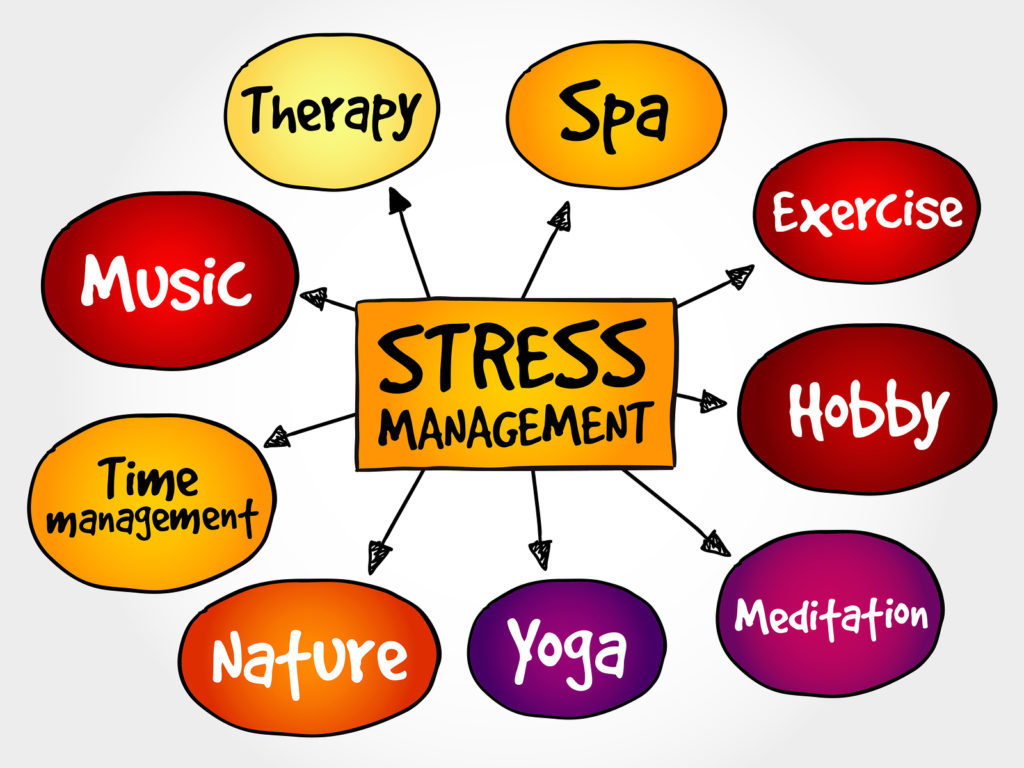
5. Manage Stress with Practical Mind-Body Techniques
Reducing chronic activation preserves energy and focusPersistent stress exhausts physiological systems. Techniques like paced breathing, mindfulness breaks, and progressive muscle relaxation lower cortisol, enhance sleep, and prevent burnout.
Short, repeatable rituals—two-minute breathing, screen-free walks, evening reflection—gradually rewire stress responses and increase resilience.

6. Cultivate Supportive Social Connections
Relationships fuel emotional and physical healthSocial bonds reduce stress, promote healthier habits, and provide practical support during illness. Even casual contact and a sense of belonging correlate with lower depression, faster recovery, and longer lifespan.
Build and maintain social capital by scheduling time with loved ones, joining communities, or pursuing shared interests. Investing in reciprocal relationships benefits both mental and physical wellbeing.

7. Embrace Preventive Healthcare and Good Hygiene
Early detection and simple hygiene reduce riskRegular checkups, vaccinations, screenings, dental visits, and vision checks detect problems early. Good hygiene—handwashing, oral care, safe food—reduces infection and supports overall health.
Habitual preventive measures reduce disease risk and maintain functional health. Discuss screening intervals with your clinician.
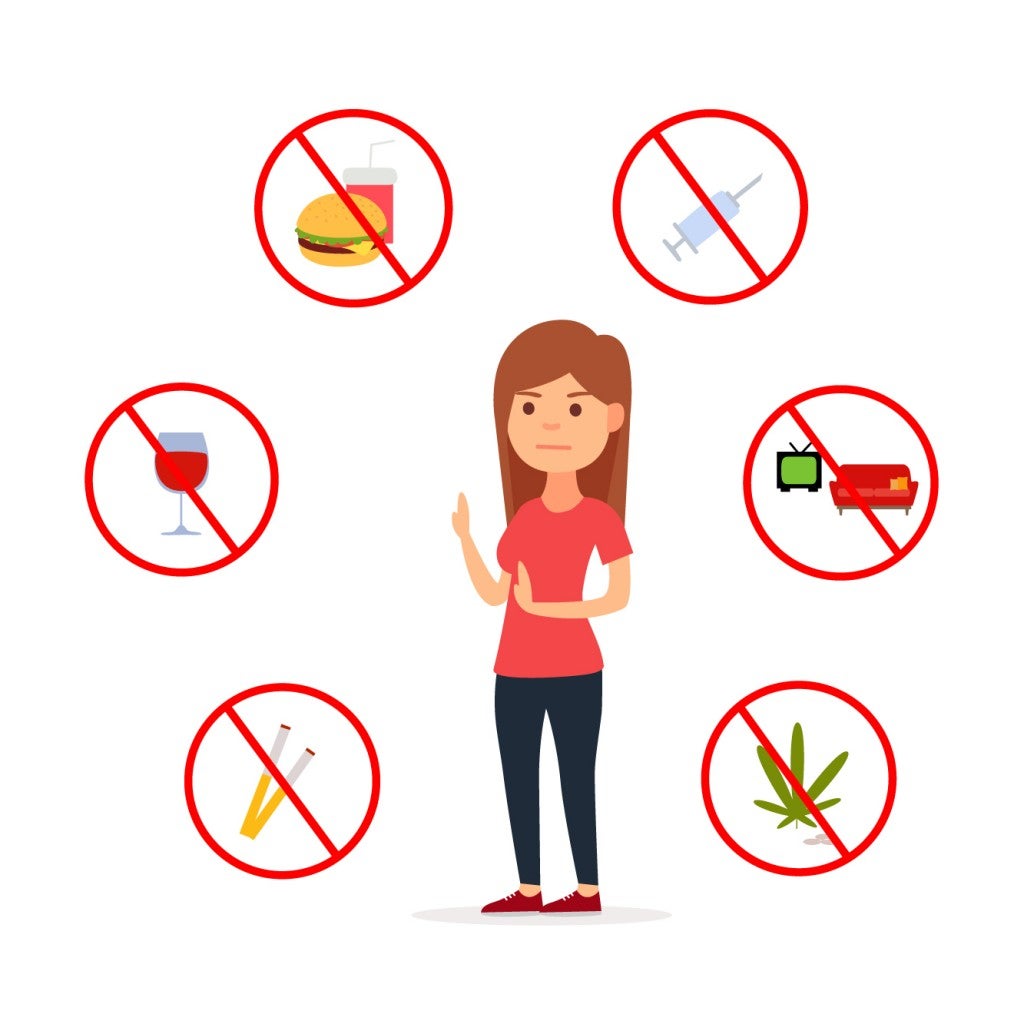
8. Reduce Harmful Habits — Small Cuts, Big Gains
Tapering risks improves lifespan and quality of lifeSmoking, excessive alcohol, processed foods, and sedentariness increase chronic disease risk. Reducing these behaviors—walking after meals, replacing drinks, swapping snacks—gradually improves cardiovascular, metabolic, and mental health.
Behavioural change benefits from social support, planning, and professional help. Each reduction in harmful habits yields measurable health gains.

9. Create a Sustainable Routine That Balances Work and Rest
Routines reduce decision fatigue and support steady energyPredictable routines regulate hormones and conserve cognitive resources. Consistent meal times, sleep, and exercise slots reduce stress while protecting recovery and social connection.
Periodically reviewing routines ensures alignment with goals and circumstances, building a rhythm that supports productivity with flexibility.
10. Cultivate Gratitude, Purpose and Mental Fitness
Psychological habits that amplify wellbeingPractices such as gratitude, purposeful engagement, and cognitive challenges enhance wellbeing. Journaling, volunteering, or meaningful hobbies increase positive affect. Mental fitness activities—learning, reading, creativity—keep the mind resilient.
These practices reduce depressive symptoms, improve coping, and foster an energising, fulfilling perspective on life.
Final Thoughts
A healthier life is built from consistent, modest choices. These ten habits—balanced nutrition, movement, sleep, hydration, stress management, social connections, preventive care, reducing harmful behaviors, routines, and cultivating purpose—interact to form a resilient foundation. Start small, scale gradually, and make progress habitual for sustained energy, immunity, and a fulfilling life.