


Maintain healthy gums and teeth with easy daily habits and dentist-approved advice.
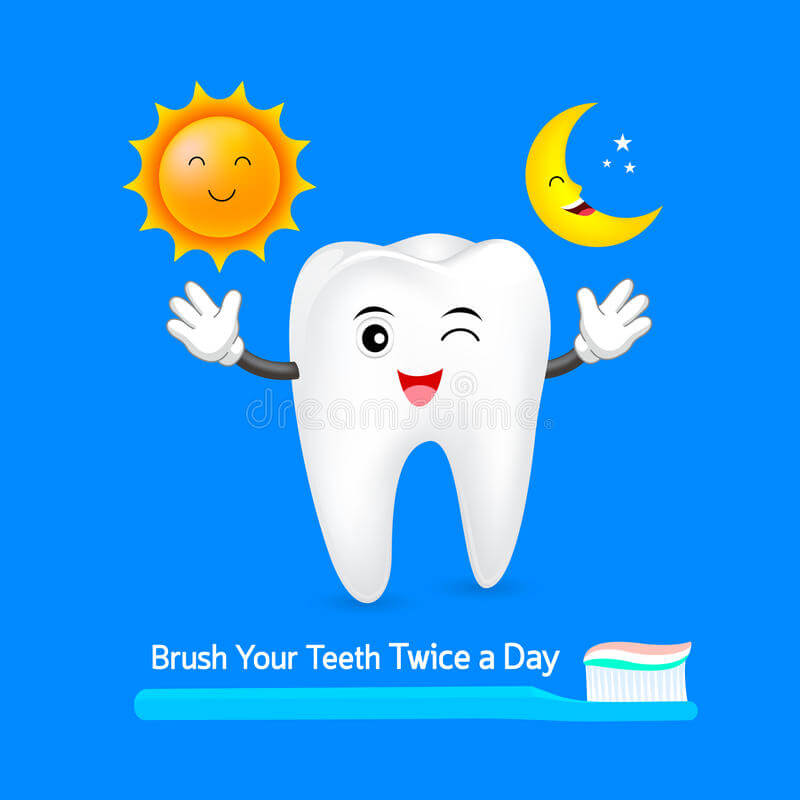
Brush Twice Daily with Proper Technique
Timing and method matter as much as frequencyBrushing twice a day for two minutes each time is the foundation of oral health, but how you brush matters. Use gentle, circular motions along the gumline and avoid harsh horizontal scrubbing that can damage enamel and cause gum recession. A soft-bristled brush and fluoride toothpaste are recommended for most people; electric toothbrushes with timers can help maintain the full two-minute routine and improve plaque removal in many users.
Replace toothbrushes every three months or sooner if bristles fray. Brushing immediately after acidic drinks can soften enamel; waiting 30 minutes after a soda or fruit juice before brushing helps protect tooth surface while still removing plaque effectively.

Floss Daily or Use Interdental Cleaners
Remove plaque where brushes can’t reachInterdental cleaning is essential—up to 40% of tooth surfaces are between teeth and unreachable by a toothbrush. Daily flossing removes plaque and food debris from these spaces, reducing the risk of cavities and gum inflammation. For those who find floss challenging, interdental brushes or water flossers are effective alternatives that are easier to use for some patients.
Proper technique—gently curving floss around each tooth and sliding below the gumline without snapping— prevents harm and maximises cleaning. Consistent interdental hygiene complements brushing and is a key habit for long-term gum and tooth preservation.

Use Fluoride Toothpaste and Follow Recommendations
Fluoride prevents decay and strengthens enamelFluoride is a proven cavity-preventive agent that remineralises enamel and reduces decay risk. Most adults and children over the age recommended by local guidelines should use fluoride toothpaste. For young children, use a pea-sized amount and supervise brushing to minimise swallowing. Where fluoride in water is limited, clinicians may recommend topical fluoride treatments or supplements for at-risk individuals.
Choose a toothpaste with appropriate fluoride concentration for age and risk profile, and consult your dentist for personalised advice—especially for patients with high decay risk or special medical conditions.

Limit Sugary Foods and Acidic Drinks
Diet shapes the oral environmentFrequent consumption of sugary snacks and acidic beverages fuels the bacteria that create dental caries. Limiting between-meal sugars, avoiding sticky sweets that cling to teeth, and choosing water over soda significantly reduce decay risk. Acidic drinks like citrus juices and sports drinks erode enamel over time; when consumed, pairing them with meals and rinsing with water afterwards lessens their impact.
Encouraging whole foods, crunchy fruits and vegetables that stimulate saliva, and dairy or calcium-rich options helps maintain a protective oral environment. Saliva neutralises acid and supplies minerals that support remineralisation—so preserving natural salivary flow is a simple dietary goal with powerful effects.
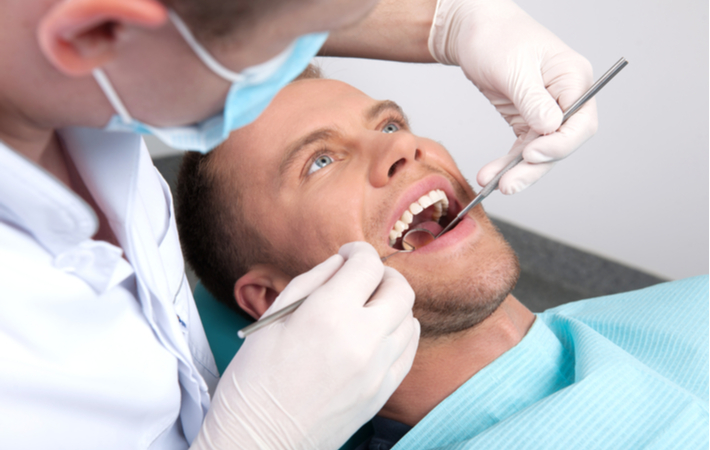
Visit Your Dentist Regularly for Exams and Cleanings
Prevention and early treatment preserve teethRoutine dental check-ups allow professional plaque and tartar removal, early detection of decay, and screening for gum disease or oral cancer. For most people, biannual visits suffice, but frequency may increase for those with elevated risk factors such as diabetes, smoking, or a history of periodontal disease.
Professional cleanings reach below the gumline and polish areas that are hard to clean at home; pairing these visits with a tailored oral hygiene plan enhances long-term outcomes and prevents small problems from becoming complex treatments later.
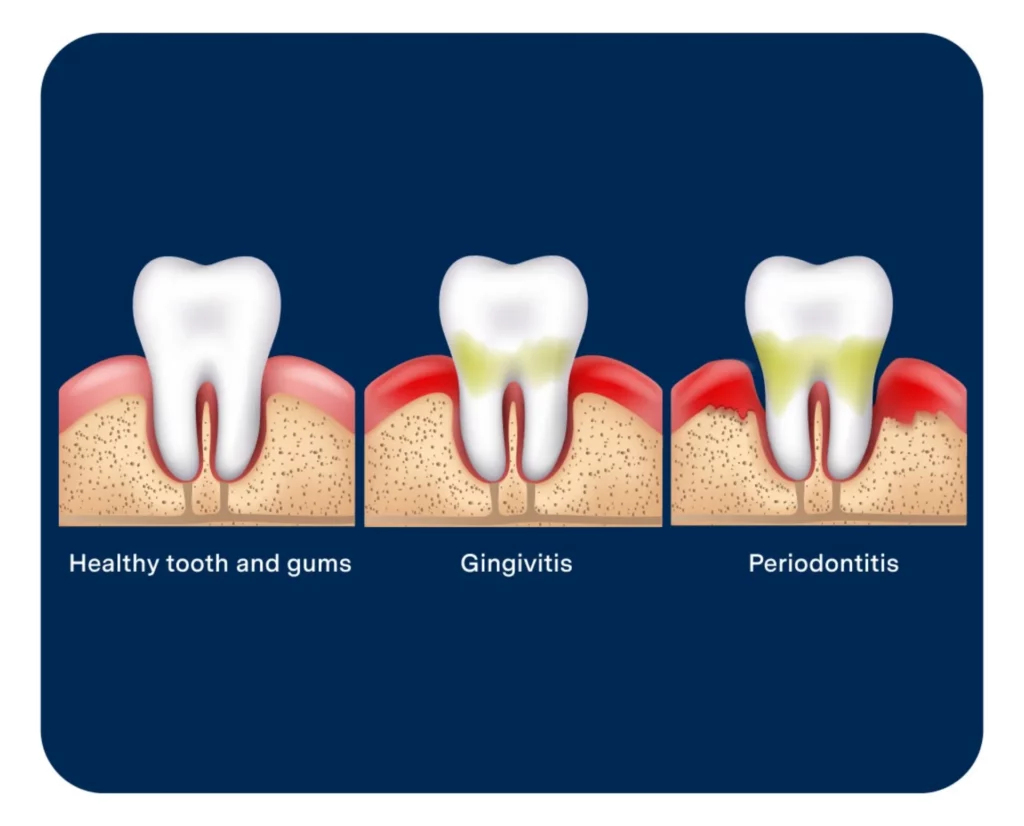
Prioritise Gum Health to Prevent Periodontal Disease
Gums are the foundation of lasting teethGingivitis—early gum inflammation—is reversible with improved oral hygiene, but untreated gum disease can progress to periodontitis, causing bone loss and tooth mobility. Brushing, interdental cleaning, and regular professional care are the pillars of gum health. Smoking, uncontrolled diabetes, and poor plaque control increase susceptibility and complicate treatment.
Signs such as bleeding gums, persistent bad breath, receding gums or loose teeth warrant prompt dental assessment. Early intervention restores health and prevents tooth loss in most cases.
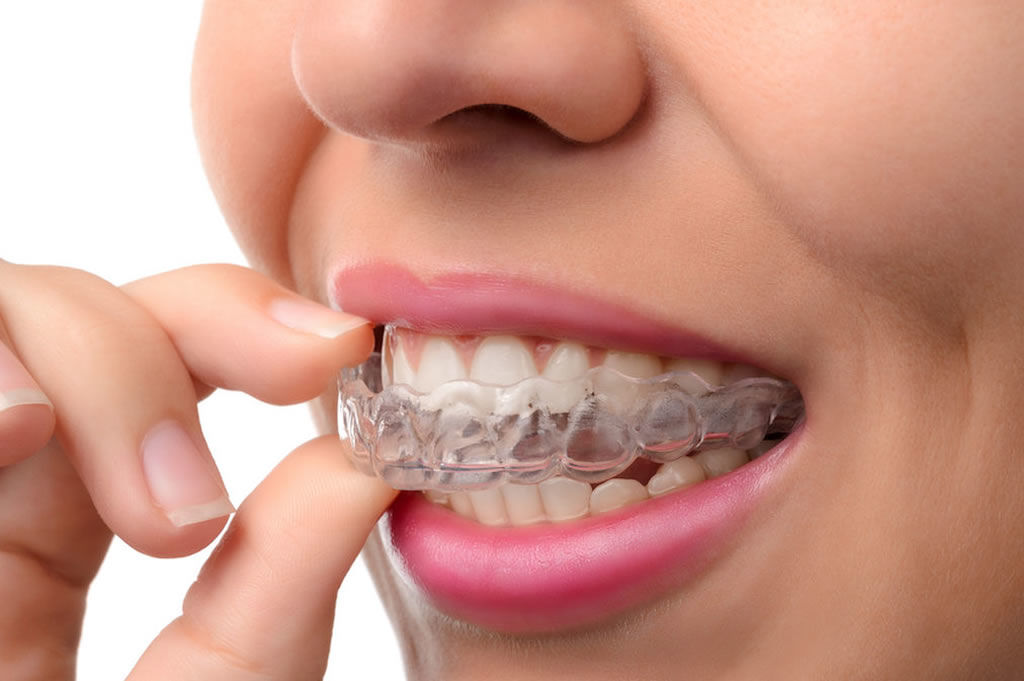
Protect Teeth with Mouthguards and Treat Bruxism
Prevention for sports and night-time grindingMouthguards reduce dental trauma during contact sports and should be worn whenever risk exists. Custom guards made by a dentist provide superior fit and protection compared with over-the-counter options. For those who grind their teeth (bruxism), a nightguard protects enamel from wear and can ease jaw pain.
Addressing contributing factors—stress management, occlusal assessment, and treating sleep disorders—can reduce grinding severity. Early protection prevents cracks, chips and long-term restoration needs.
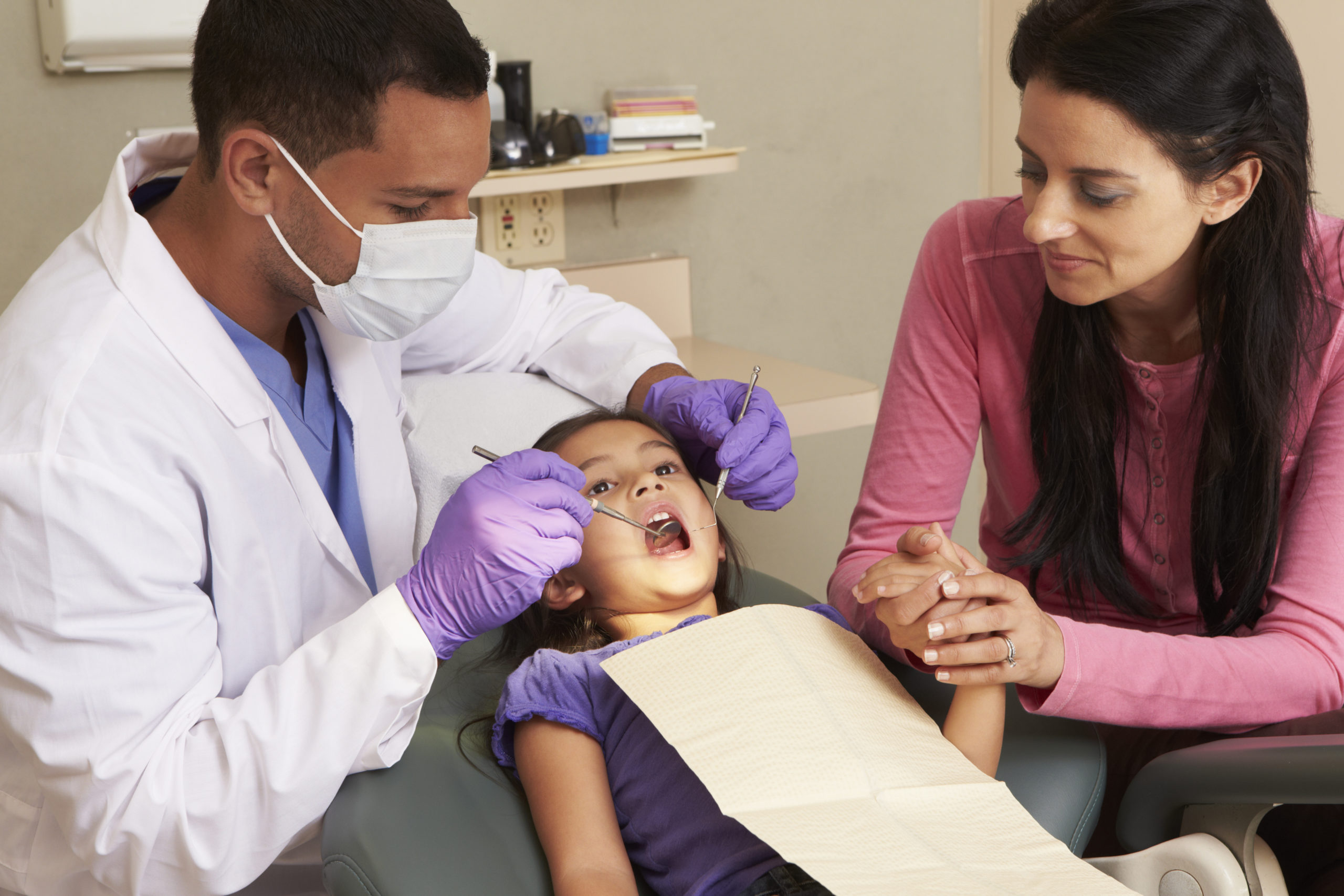
Start Early: Pediatric Care and Habits That Last
Baby teeth matter—early visits build healthy habitsPediatric dental visits should begin by the child’s first birthday or when the first tooth erupts. Early assessments detect developmental concerns, guide fluoride use, and establish preventive routines. Parents play a central role: cleaning infant gums, supervising brushing, and limiting bedtime bottles with sugary liquids prevent early childhood caries.
Teaching children positive attitudes to dental care and scheduling regular dental check-ups sets the stage for lifelong oral health and reduces dental anxiety in later years.
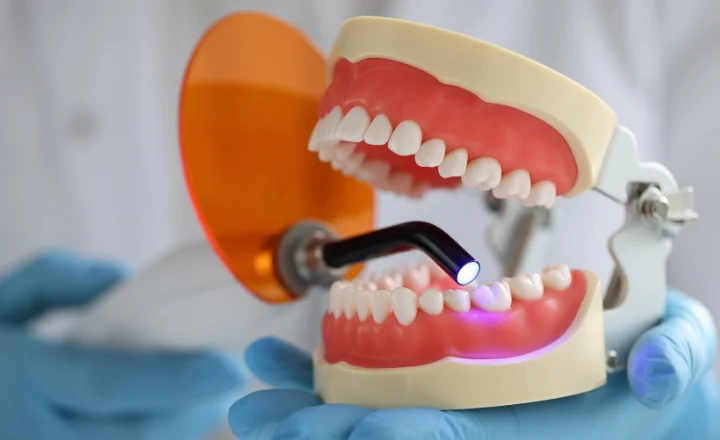
Timely Restorative Care and Specialist Referrals
Fix problems early to avoid complex treatmentsWhen cavities, cracked teeth, persistent infection or aesthetic concerns occur, timely restorative care preserves tooth structure and prevents spread of disease. Modern options—composite fillings, crowns, root canal therapy, and implants—restore function and comfort. Periodontal or endodontic specialists offer advanced care when needed.
Early referral for complex problems reduces treatment time, improves prognosis and often conserves natural teeth. If you notice sensitivity, swelling, persistent pain or visible damage, seek dental evaluation promptly rather than waiting.