


Tips for Strong Bones & Joints – from nutrition to posture correction, learn how to protect your bones and avoid orthopedic issues.

Calcium-Rich Foods and Daily Requirements
The fundamental mineral for bone strengthCalcium provides the structural backbone for bones. Throughout life, the body remodels bone tissue, withdrawing and depositing calcium as needed. Dairy products like milk, yogurt, and cheese are classic sources, but leafy greens, fortified plant milks, sardines, and calcium-set tofu are excellent alternatives.
Daily calcium requirements vary with age and sex. Distribute intake throughout the day for best absorption. Discuss supplementation with a clinician if needed, as excessive calcium can carry risks.

Vitamin D: Sunlight, Diet and Supplementation
Essential partner to calcium for bone healthVitamin D enables calcium absorption and bone mineralization. Sensible sun exposure, fatty fish, egg yolks, and fortified foods help, but some individuals may require supplements. Optimal vitamin D levels protect bone density and reduce fracture risk.
Check vitamin D levels clinically and follow guidance for dosing. Balanced calcium and vitamin D intake maintains strong bones effectively.

Protein, Collagen and Micronutrients
Building blocks and cofactors for strong connective tissueProtein provides amino acids to form collagen, essential for bone and cartilage strength. Adequate protein supports muscle mass, protecting joints. Micronutrients like magnesium, vitamin K, zinc, and copper aid enzymatic pathways that maintain skeletal health.
Balanced meals with lean proteins, vegetables, whole grains, and collagen-rich foods support long-term bone and joint health, especially alongside weight-bearing activity.

Progressive Strength Training for Bone Density
Loading bones safely to stimulate growthBones adapt to mechanical stress. Resistance training with weights, bands, or bodyweight exercises increases bone density and strengthens muscles that support joints. Multi-joint exercises like squats, lunges, and presses are most effective when progressed gradually.
Begin with proper technique and modest loads. Older adults or those with conditions should consult a physical therapist. Even twice-weekly sessions improve bone and functional health over time.
:max_bytes(150000):strip_icc()/Verywell-18-3567197-Tree-922-1a8cd23ab65847daa42acc0557329046.jpg)
Balance, Flexibility and Fall Prevention
Small exercises that avoid large consequencesBalance and flexibility exercises reduce the risk of falls, protecting bones and joints. Tai chi, single-leg stands, and dynamic stability exercises improve proprioception and reaction time, while enhancing joint mobility.
Daily balance drills, ankle mobility exercises, home safety assessments, proper footwear, and assistive devices create strong protective effects against injuries.
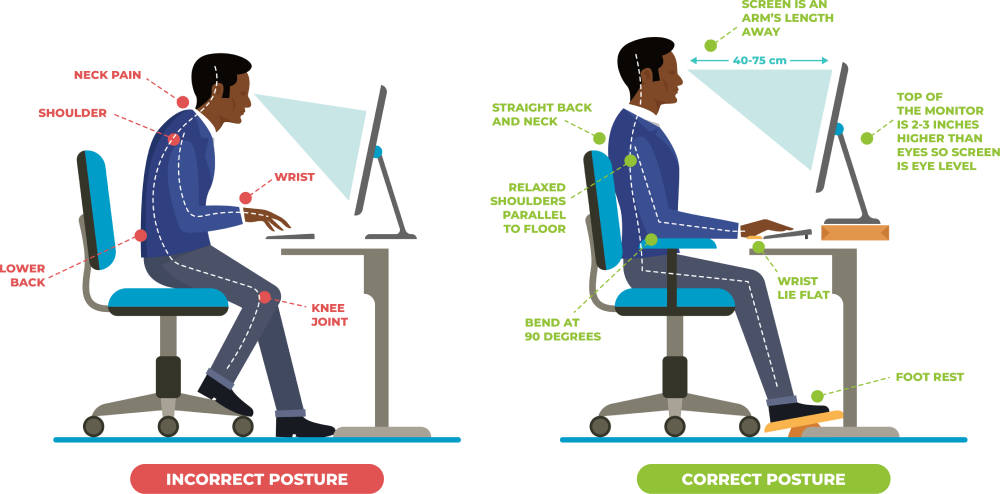
Posture, Ergonomics and Daily Loading Patterns
How daily habits protect joints over decadesPoor posture and repetitive strain contribute to joint pain. Ergonomic principles—neutral spine, proper chair height, keyboard placement, and lifting mechanics—reduce abnormal stress over time. Correcting habits prevents future orthopedic complaints.
Micro-breaks, standing variations, and targeted stretches for office workers distribute loads evenly and prevent chronic issues.

When to See an Orthopedic Specialist
Timely referral prevents chronic problemsPersistent pain, instability, swelling, or mechanical issues require specialist assessment. Orthopedic clinicians use clinical tests and imaging to diagnose ligament tears, cartilage damage, fractures, or early osteoarthritis.
Early diagnosis allows nonoperative care, targeted injections, bracing, or minimally invasive procedures to restore function and delay major surgery.
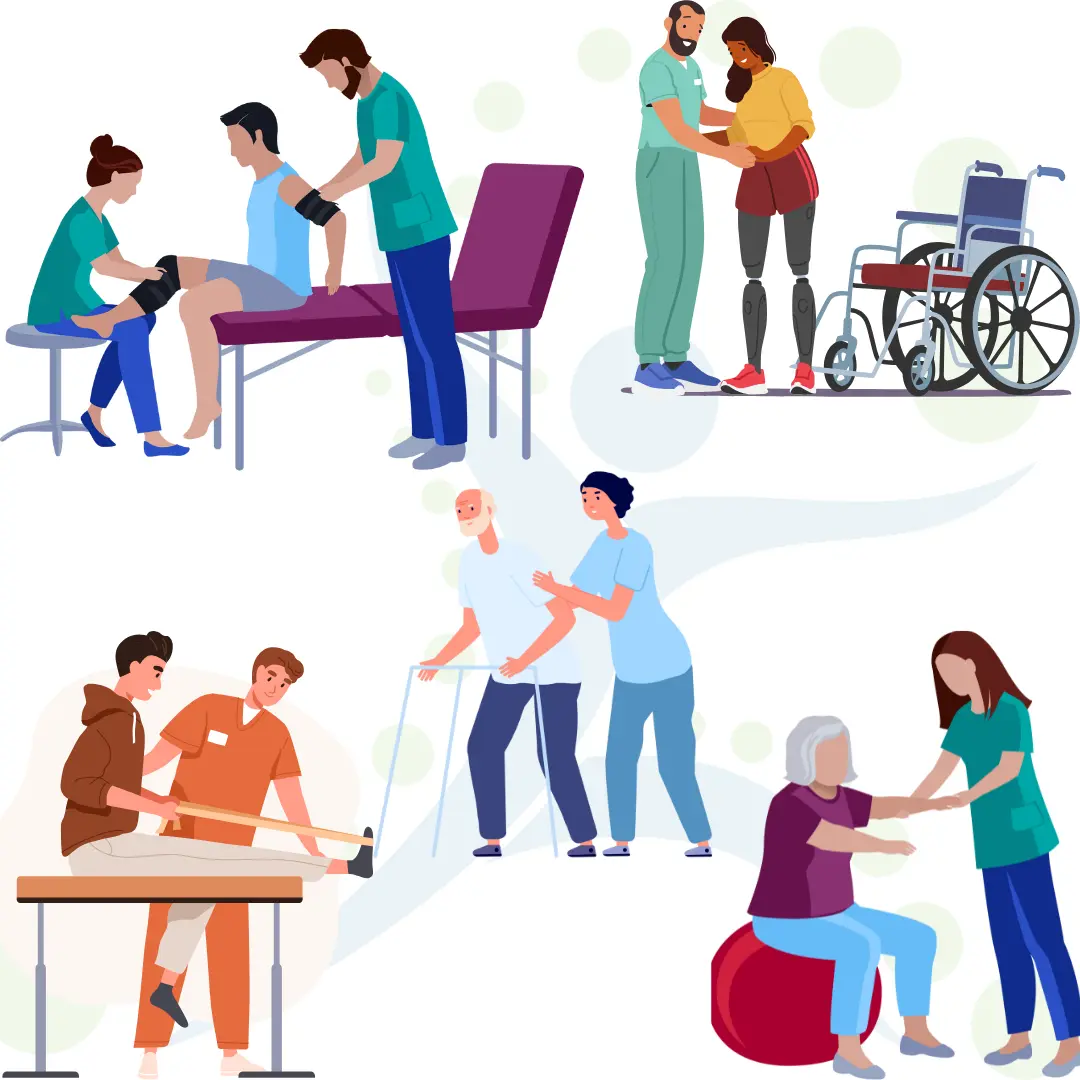
Rehabilitation, Physical Therapy and Return-to-Function
Structured rehab protects joints long-termPost-injury or post-surgery rehabilitation restores joint function. Therapists design progressive programs to rebuild strength, retrain movement patterns, and reduce reinjury risk. Tailored rehab preserves mobility and independence.
Structured rehab combines manual therapy, strengthening, neuromuscular reeducation, and patient education to maximize outcomes and shorten recovery time.
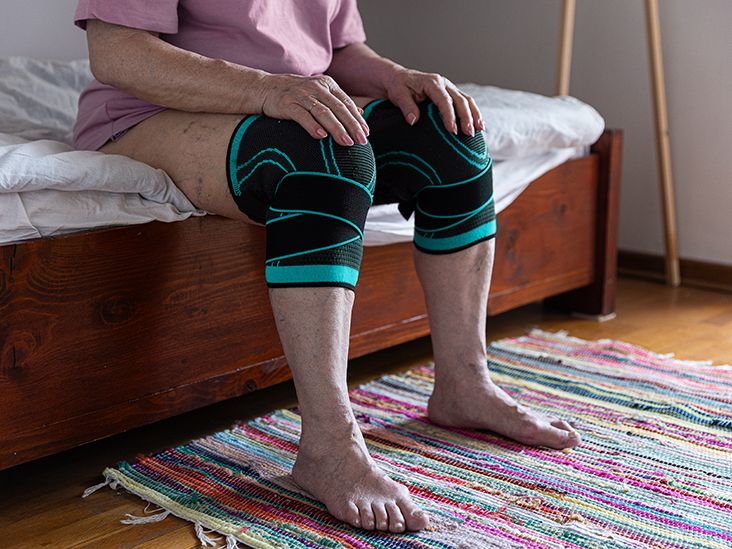
Assistive Devices, Bracing and Surgical Options
Right support at the right timeBraces, orthotics, walking aids, and activity modifications often relieve symptoms. Modern surgical techniques restore mobility when indicated. Decisions should balance symptom severity, functional limitation, and post-op goals.
Shared decision-making and prehabilitation maximize surgical outcomes and long-term joint health.